Important: By downloading images you are agreeing to the following permissions: Images are provided exclusively to the press, and only for purposes of publicity of The Museum of Modern Art's and MoMA PS1's current and upcoming exhibitions, programs, and news announcements. Permission to use images is granted only to the extent of the Museum's and MoMA PS1's ownership rights relating to those images—the responsibility for any additional permissions remains solely with the party reproducing the images. The images must be accompanied by the credit line and any copyright information as it appears above, and the party reproducing the images must not distort or mutilate the images.
Bold Is Better: ’80s and ’90s Design
January 17, 2027 – May 22, 2027
The Museum of Modern Art
The Museum of Modern Art announces Bold Is Better: ’80s and ’90s Design, an exhibition that foregrounds the prolific spirit of design during two formative decades. Showcasing nearly 150 works, the exhibition reexamines this pivotal time in design history amid technological, social, and cultural transformation. On view January 17 through May 22, 2027, it draws from MoMA’s expansive collection and includes furniture, lighting, graphic design, works on paper, textiles and fashion, video, technology, and craft.
Tracing the trajectory of design from the 1980s to the 1990s through definitive works of the era, the exhibition is organized thematically into three distinct sections that explore the role of narrative in postmodern design, the influence of popular and consumer culture, and material experimentation. During the ’80s and ’90s, the design field evolved in response to a surge in mass media, accelerated globalization, and technological advancement. Building on the rebellious spirit of the 1960s and 1970s, designers continued to move away from modernist principles and adopted new conceptual approaches that treated history, art, and the everyday as sources to quote from, mix, and recontextualize. These strategies catalyzed a shift toward process-driven methods, as designers employed innovative manufacturing techniques and tested the limits of familiar materials.
Bold Is Better: ’80s and ’90s Design is organized by Tanja Hwang, Curator, with Amanda Forment, former Curatorial Associate, and Paul Galloway, Senior Collection Specialist, Department of Architecture and Design.
Major support for the exhibition is provided by The Contemporary Arts Council of The Museum of Modern Art.
Additional funding is provided by the Annual Exhibition Fund. Leadership contributions to the Annual Exhibition Fund, in support of the Museum’s collection and collection exhibitions, are generously provided by the Sandra and Tony Tamer Exhibition Fund, Kate W. Cassidy Foundation, Sue and Edgar Wachenheim III, Jerry Speyer and Katherine Farley, Alice and Tom Tisch, the Marella and Giovanni Agnelli Fund for Exhibitions, Mimi Haas, the William Randolph Hearst Endowment Fund for Photography, The David Rockefeller Council, Anne and Joel Ehrenkranz, The International Council of The Museum of Modern Art, Marie-Josée and Henry R. Kravis, and Ronald S. and Jo Carole Lauder. Major funding is provided by The Sundheim Family Foundation.
The Bloomberg Connects digital experience is made possible through the support of Bloomberg Philanthropies.
Press Kit
Images
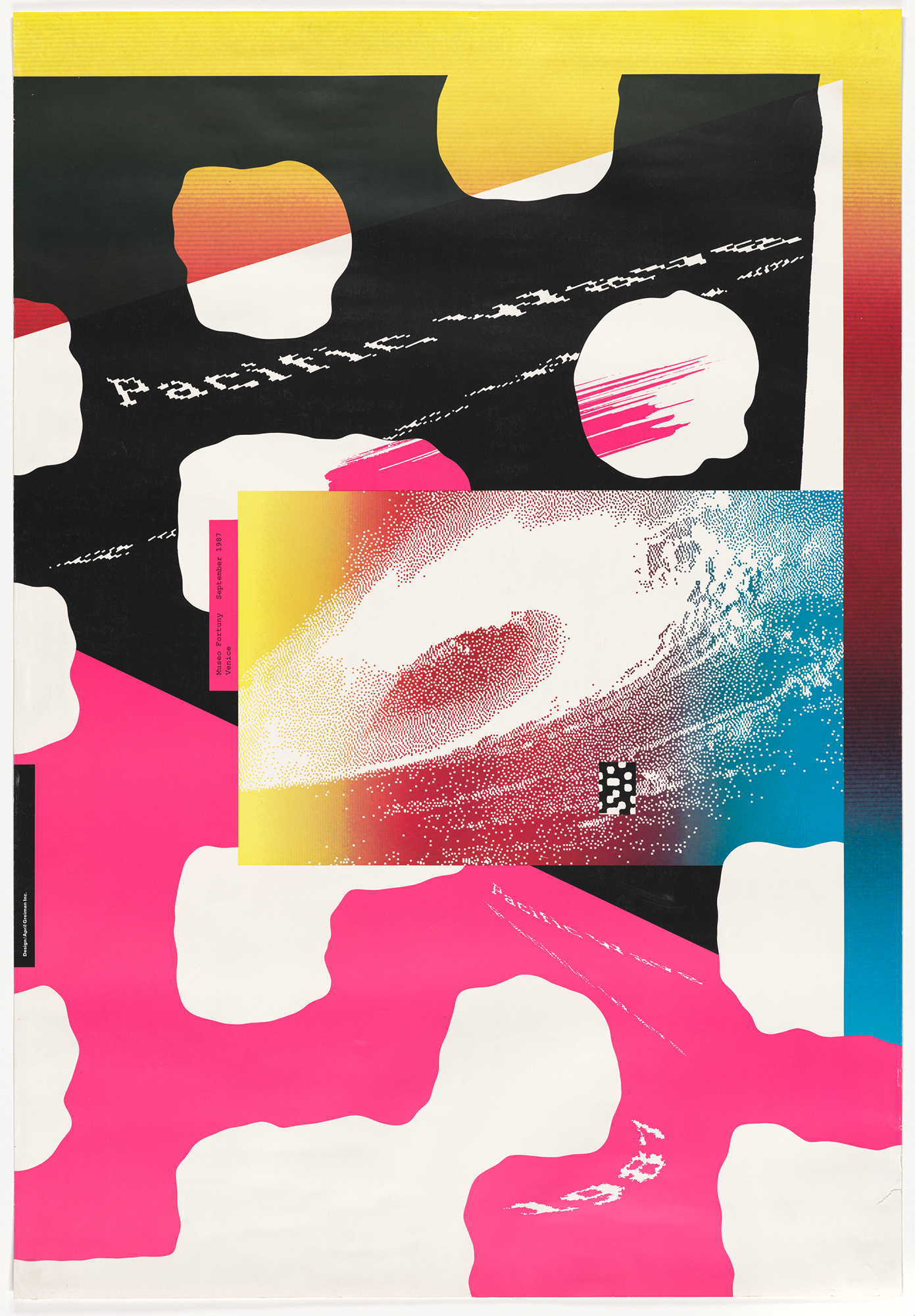
April Greiman. Poster for an exhibition at Museo Fortuny, Venice. 1987. Lithograph, 34 3/4 x 26 7/8″ (88.3 x 68.3 cm). The Museum of Modern Art, New York. Gift of the designer © 2026 April Greiman
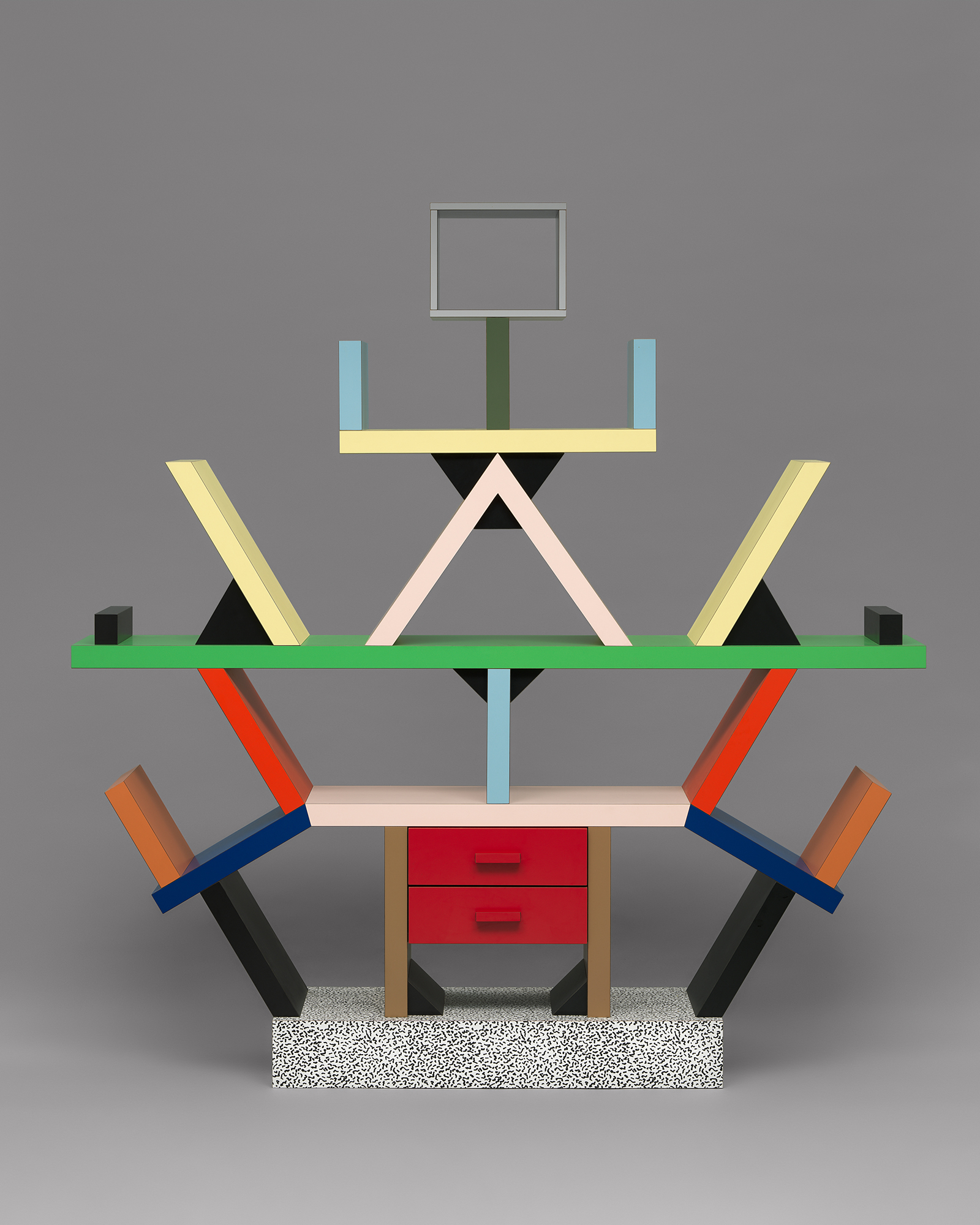
Ettore Sottsass. Carlton Room Divider. 1981. Plastic laminate and wood, 77 1/2 × 75 × 15 5/8″ (196.9 × 190.5 × 39.7 cm). Manufacturer: Memphis, Milano. The Museum of Modern Art, New York. Gift of the George R. Kravis II Collection

Apple, Inc. iMac Desktop Computer. 1998. Polycarbonate and electronics, 15 x 15 x 17″ (38.1 x 38.1 x 43.2 cm). The Museum of Modern Art, New York. Gift of the manufacturer
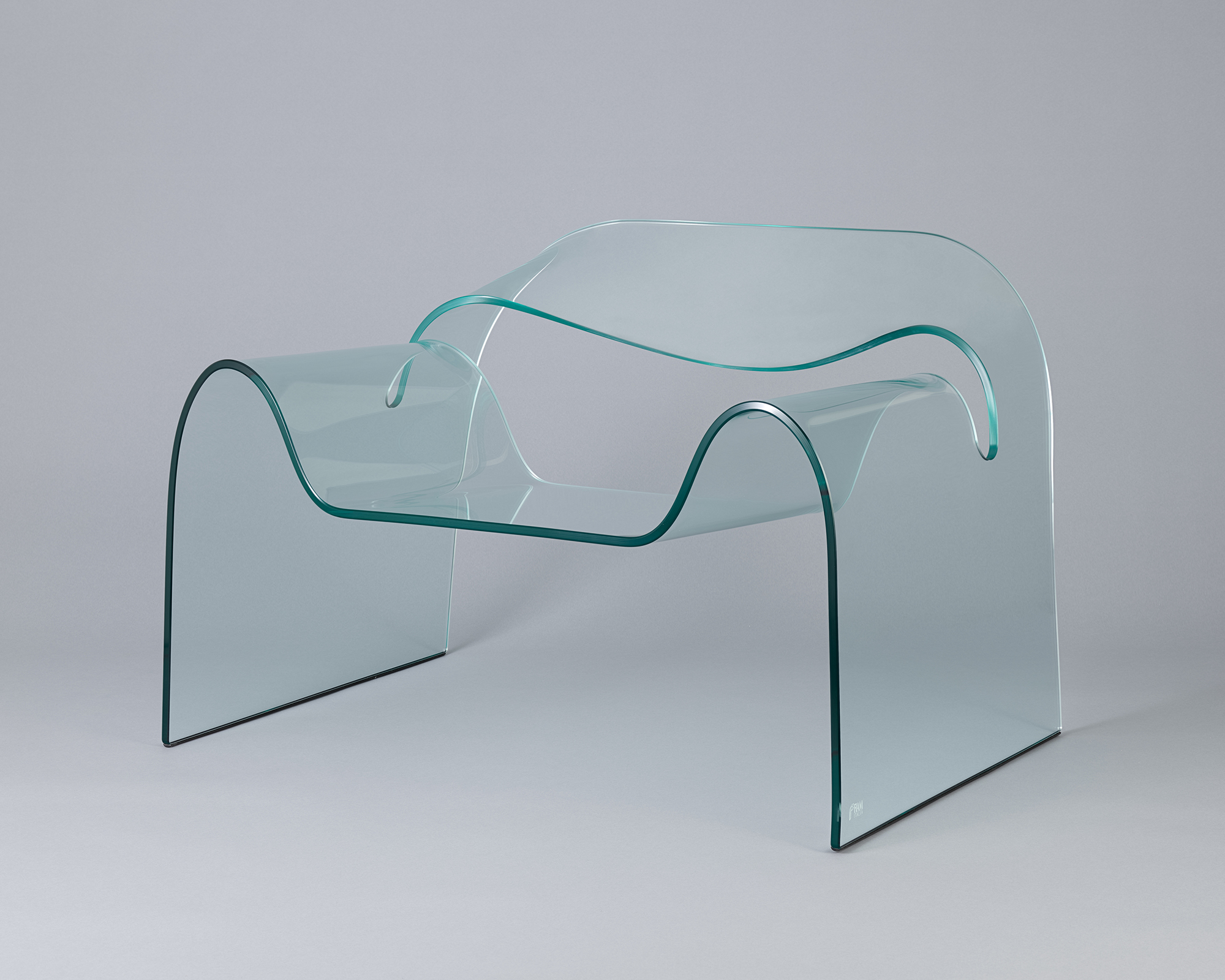
Cini Boeri and Tomu Katayanagi. Ghost armchair. 1987. Glass, 24 7/16 × 37 3/8 × 29 1/2″ (62 × 95 × 75 cm). Manufacturer: FIAM Italy. The Museum of Modern Art, New York. Committee on Architecture and Design Funds
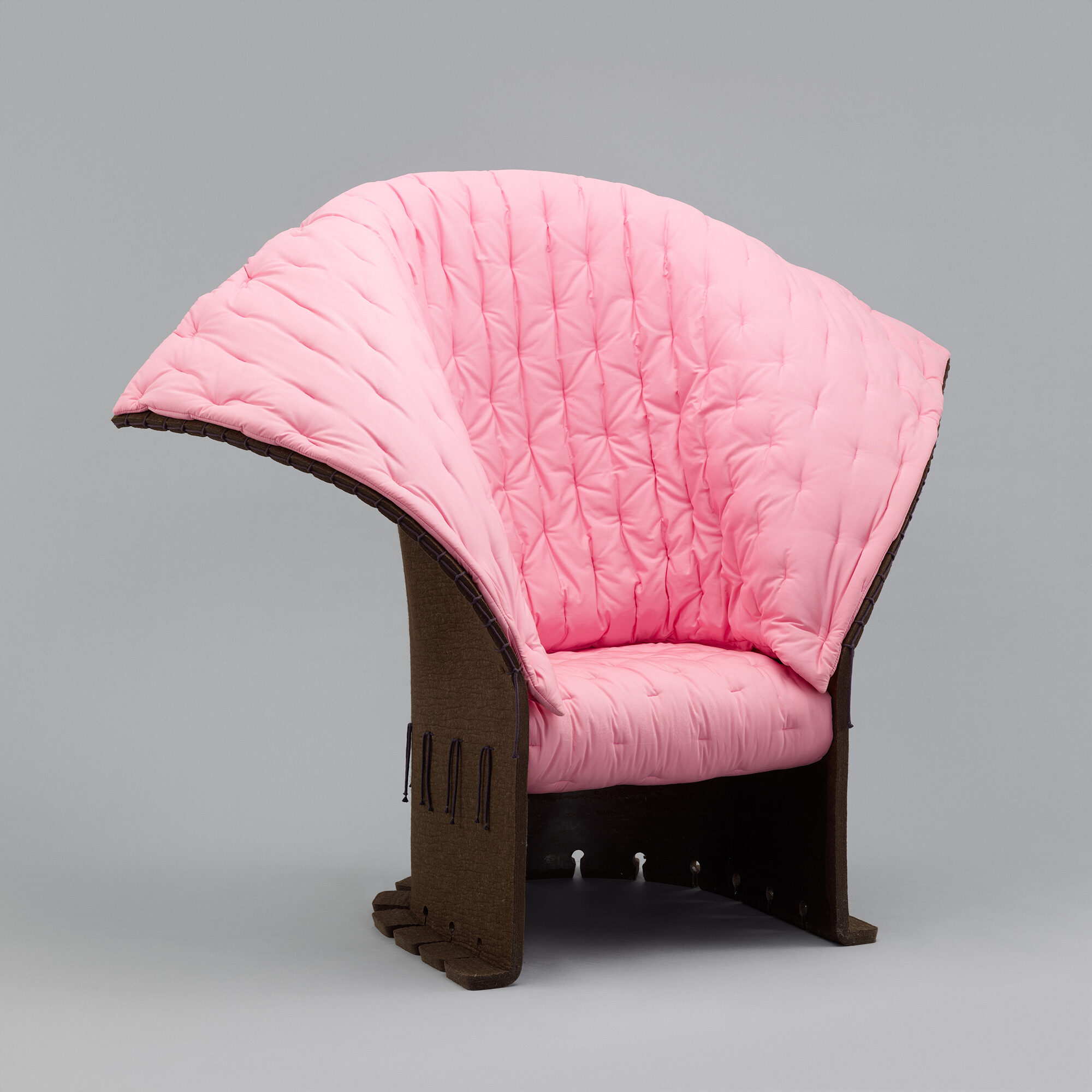
Gaetano Pesce. Feltri Chair. 1986. Wood, felt, and polyester resin, 50 1/8 x 55 1/8 x 28″ (127.3 x 140 x 71.1 cm). Manufacturer: Cassina, S.p.A., Milan. The Museum of Modern Art, New York. Gift of the manufacturer © 2026 Gaetano Pesce
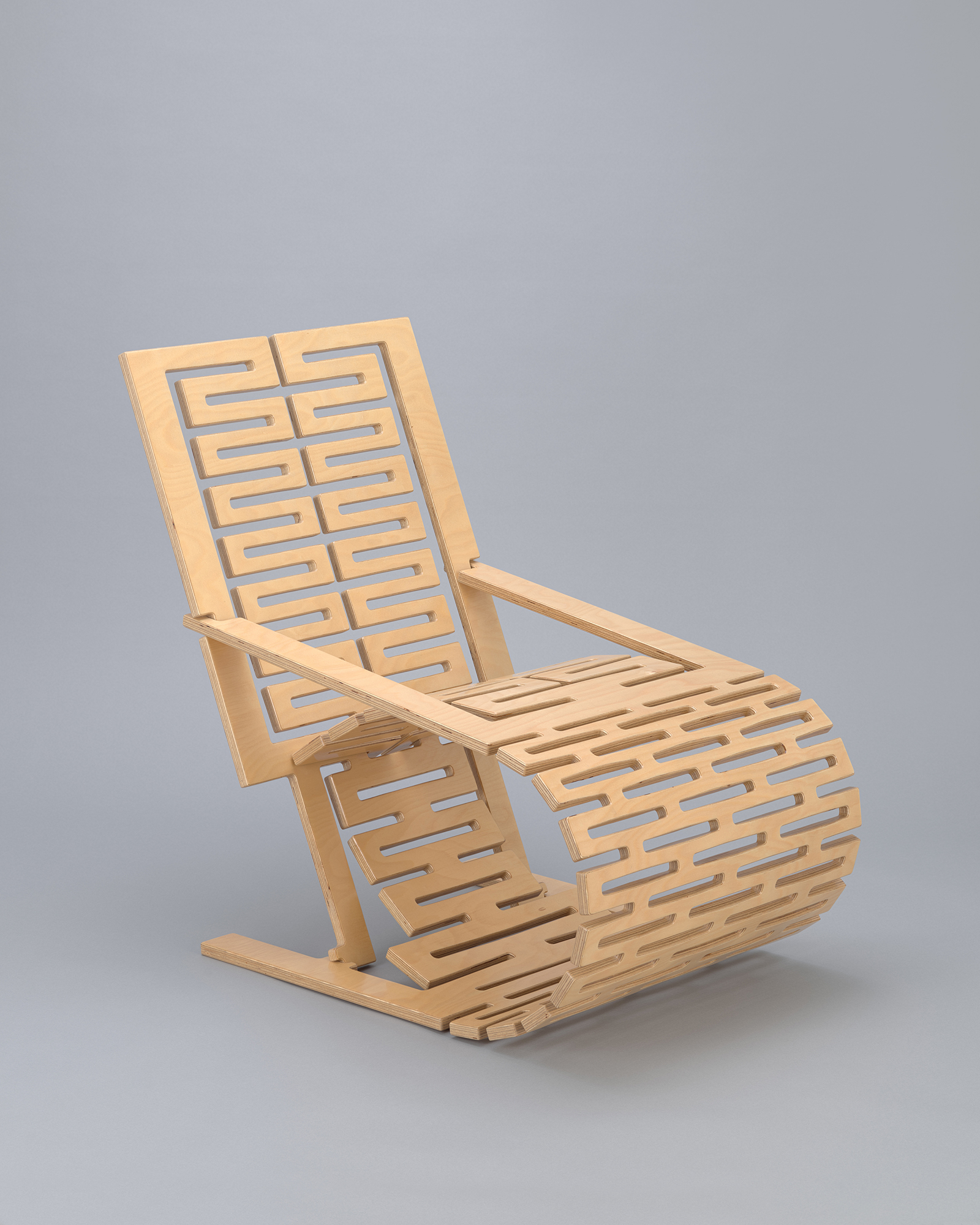
Gregg Fleishman. Caterpillar Chair. 1992. Birch plywood, 35 1/2″ x 36″ x 23 1/2″ (90.2 x 91.5 x 59.7 cm). The Museum of Modern Art, New York
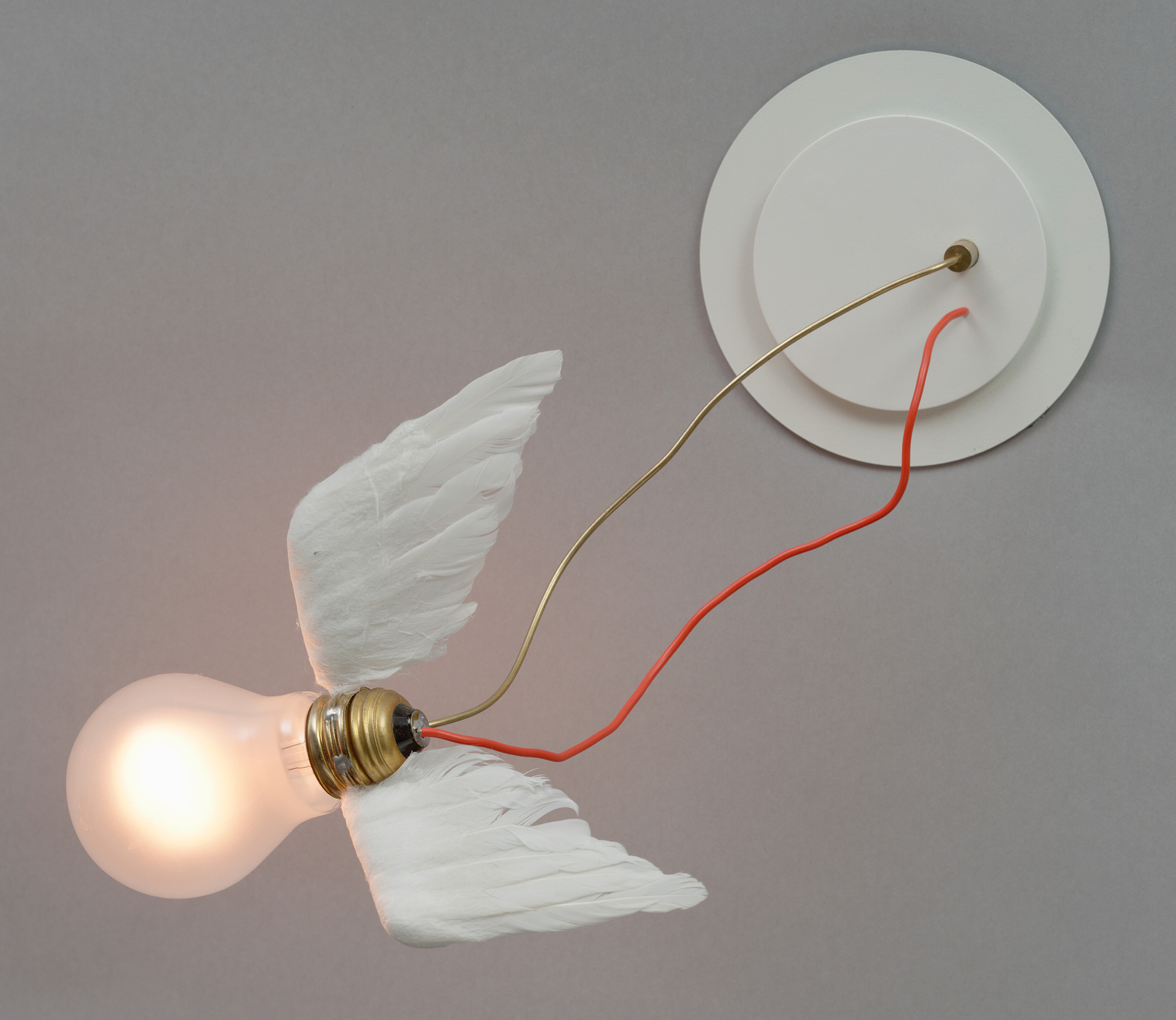
Ingo Maurer. Lucellino Wall Lamp. 1992. Glass, brass, plastic, and goose feather wings, 10 x 8 x 4 1/4″ (25.4 x 20.3 x 10.8 cm). The Museum of Modern Art, New York. Gift of the designer © 2026 Ingo Maurer
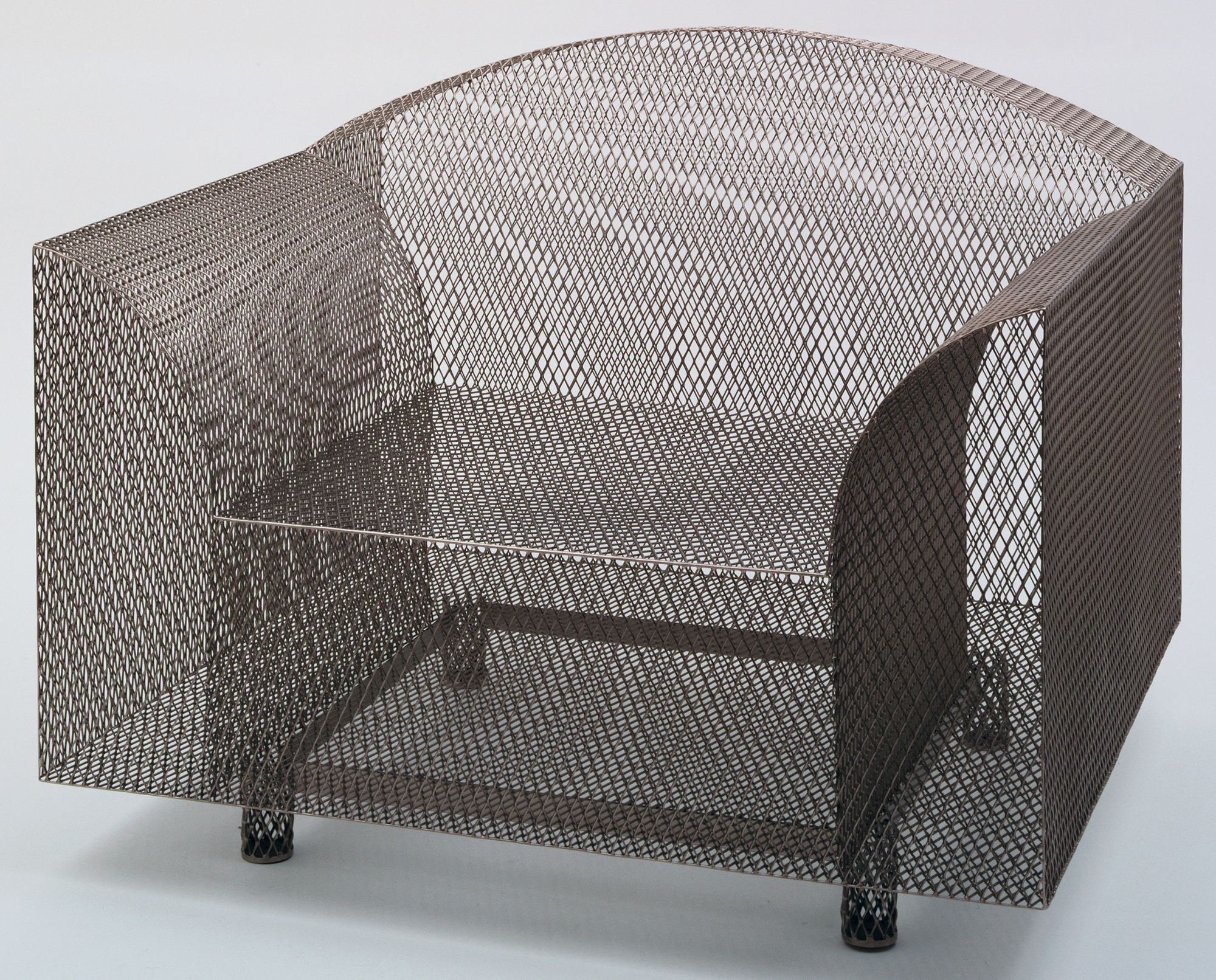
Shiro Kuramata. How High the Moon Armchair. 1986. Nickel-plated steel mesh, 28 1/2 x 37 3/8 x 32 3/4″ (72.4 x 95 x 83.2 cm). Manufacturer: Vitra International AG. The Museum of Modern Art, New York. Gift of the Vitra Design Foundation, Switzerland

Will Wright. SimCity 2000. 1993. Video game software. The Museum of Modern Art, New York. Gift of Electronic Arts © 2026 Electronic Arts
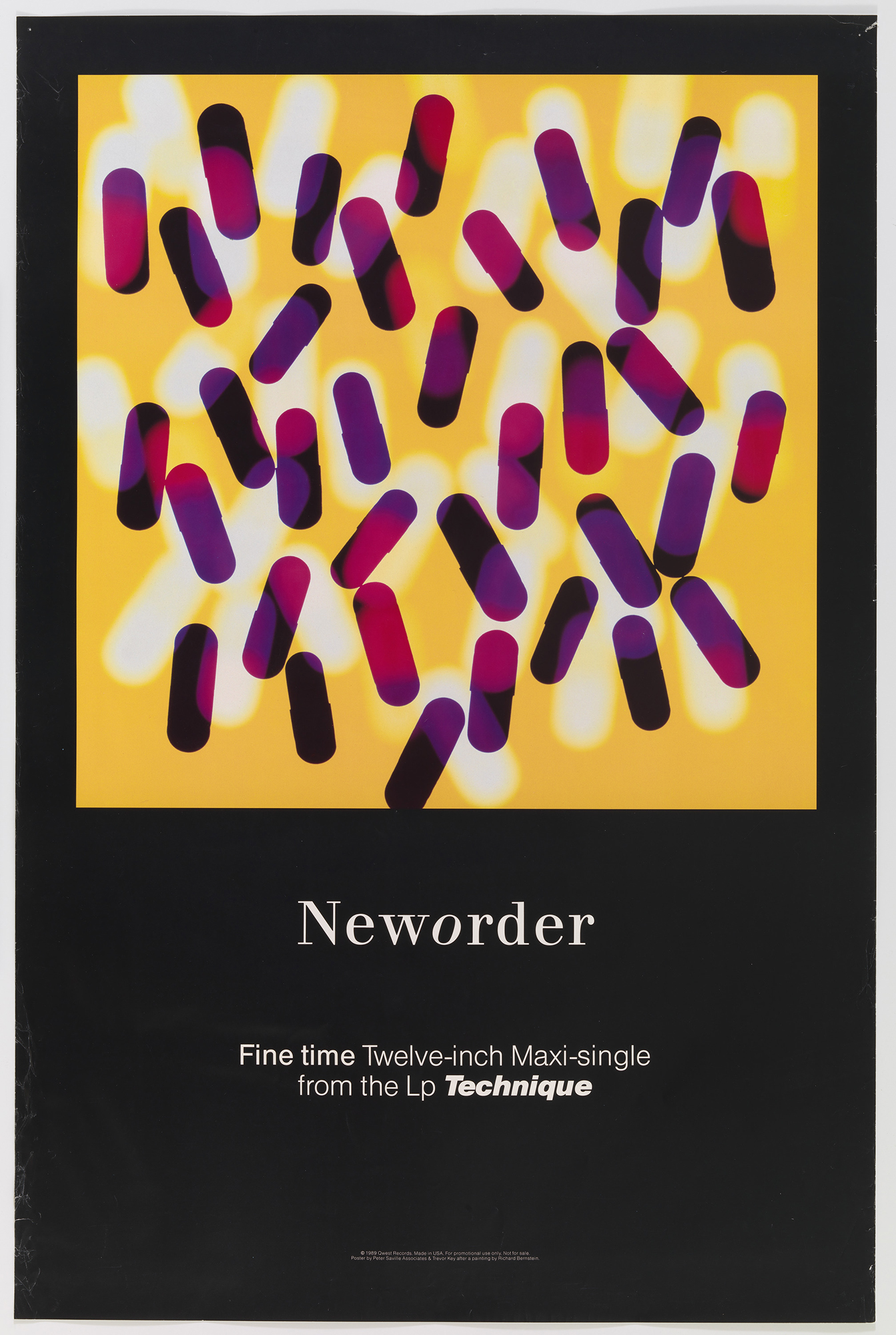
Peter Saville. New Order, Fine Time. 1989. Lithograph, 33 3/4 x 23″ (85.7 x 58.4 cm). The Museum of Modern Art, New York. Gift of Lawrence Benenson
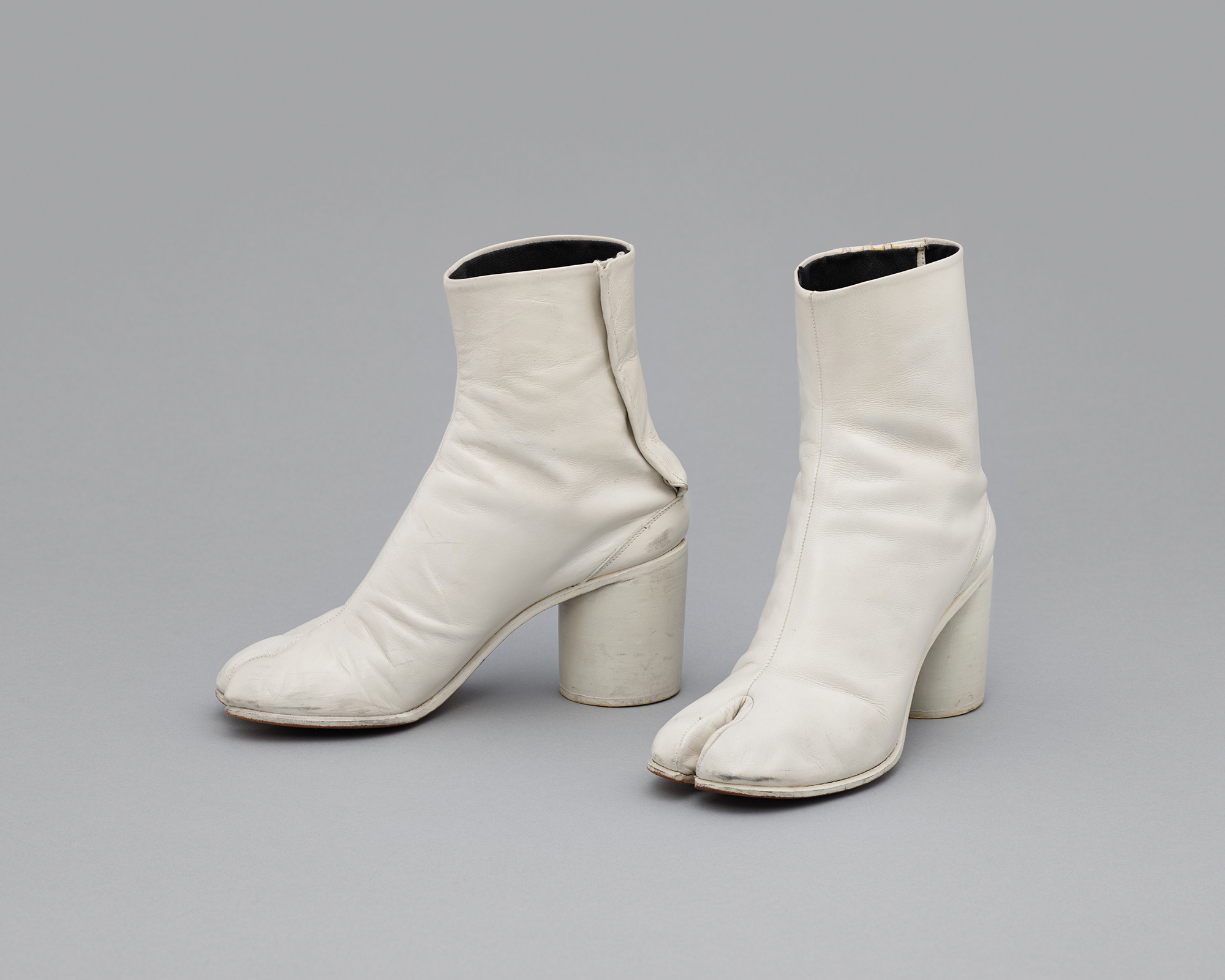
Martin Margiela, Maison Martin Margiela. Tabi Boots. c. 1990. Leather, each: 9 × 3 1/4 × 9″ (22.9 × 8.3 × 22.9 cm). The Museum of Modern Art, New York. Gift of Linda Loppa
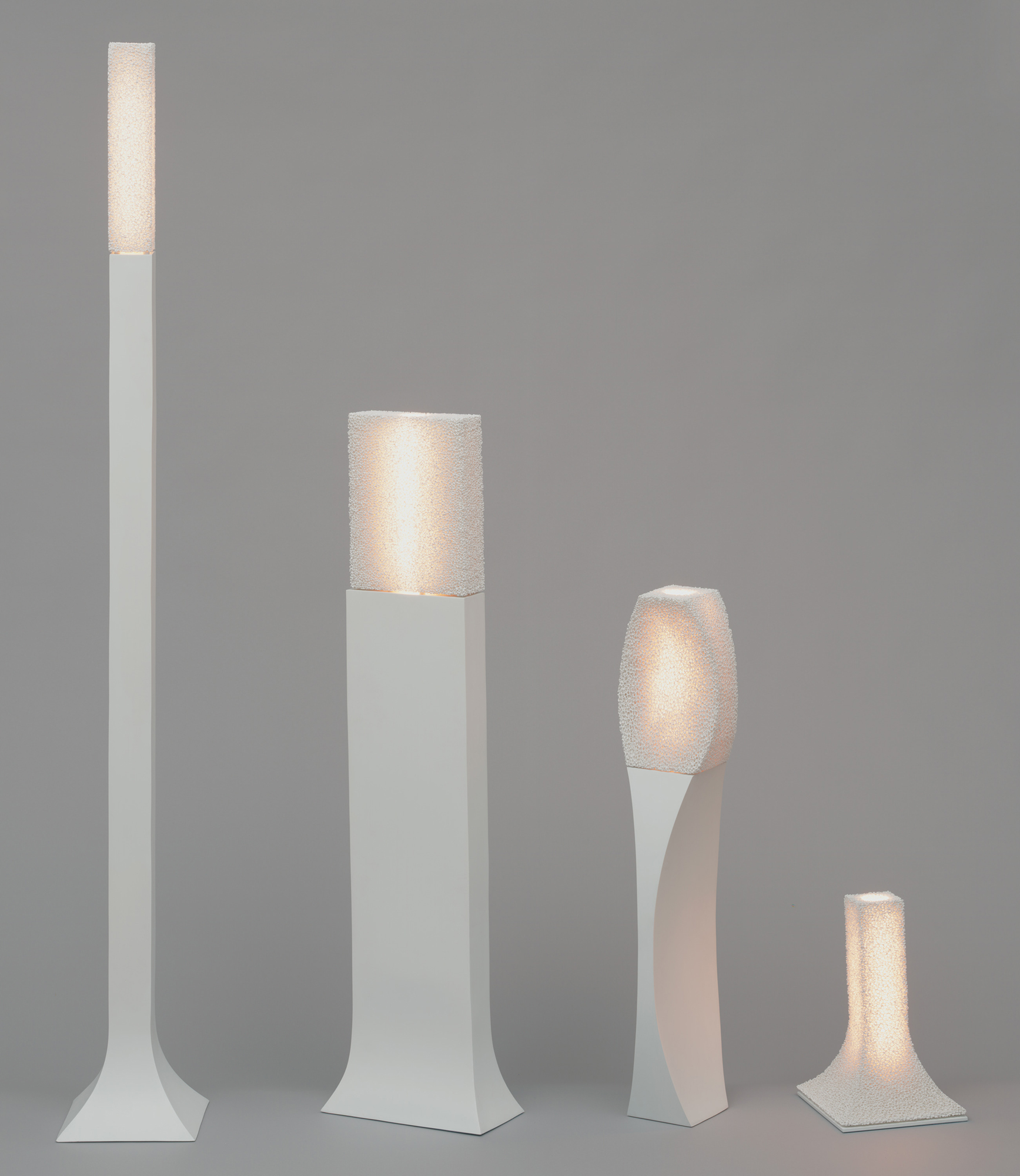
Harry Allen. Lighting Fixtures. 1994. Ceramic and steel, 44 1/4 x 11 3/4 x 5 3/4″ (112.4 x 29.8 x 14.6 cm). The Museum of Modern Art, New York. Gift of the manufacturer

Alberto Meda. Light Light Chair. c. 1987. Carbon fiber and Nomex composite honeycomb, 27 7/8 × 20 3/4 × 18 1/4″ (70.8 × 52.7 × 46.4 cm). Manufacturer: Alias S.p.A., Bergamo, Italy. The Museum of Modern Art, New York. Gift of the manufacturer © 2026 Alberto Meda
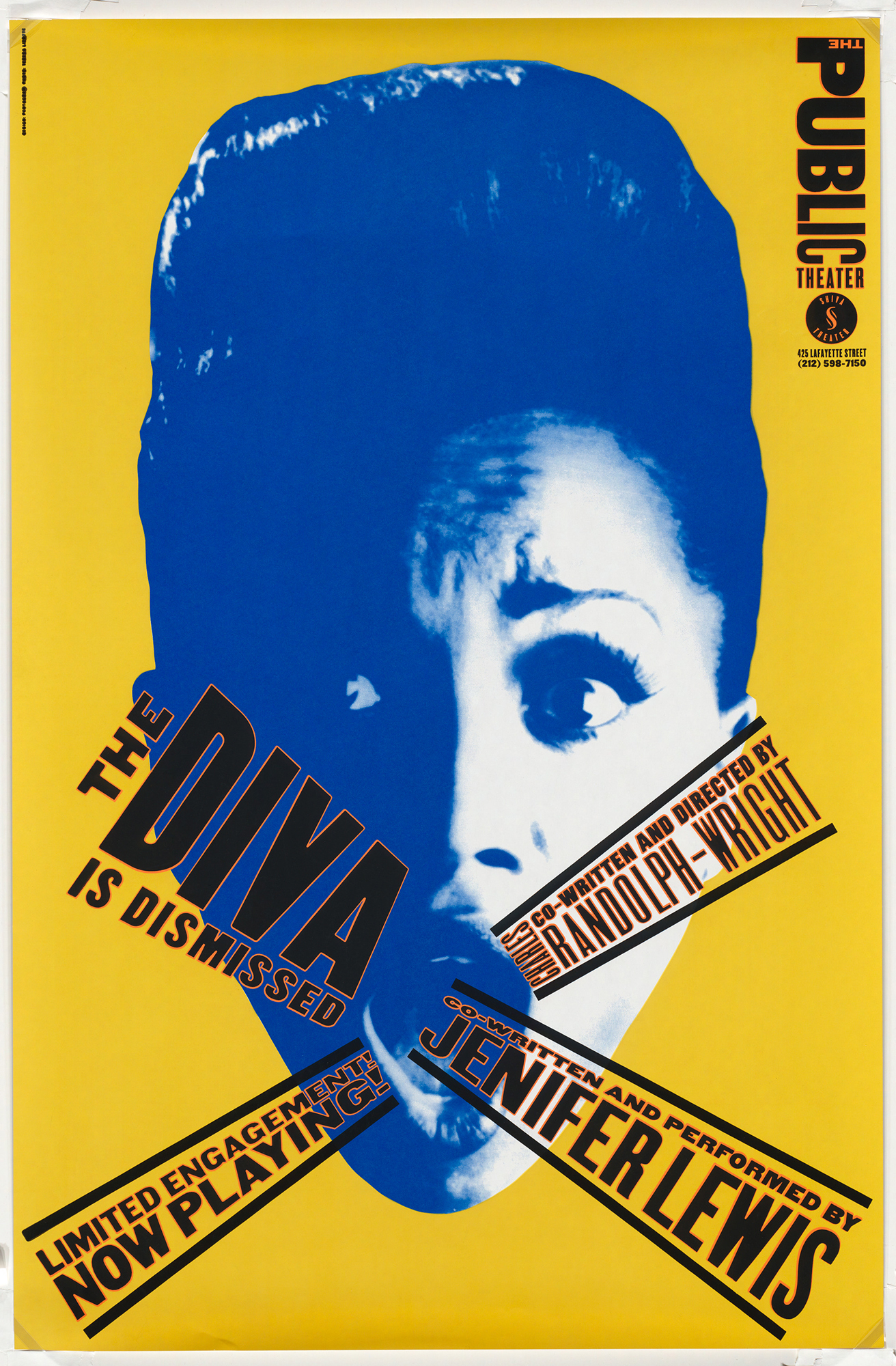
Paula Scher. The Diva is Dismissed. 1994. Serigraph, 46 x 30 1/8″ (116.8 x 76.5 cm). The Museum of Modern Art, New York. Gift of the designer © 2026 Paula Scher