Important: By downloading images you are agreeing to the following permissions: Images are provided exclusively to the press, and only for purposes of publicity of The Museum of Modern Art's and MoMA PS1's current and upcoming exhibitions, programs, and news announcements. Permission to use images is granted only to the extent of the Museum's and MoMA PS1's ownership rights relating to those images—the responsibility for any additional permissions remains solely with the party reproducing the images. The images must be accompanied by the credit line and any copyright information as it appears above, and the party reproducing the images must not distort or mutilate the images.
Marilyn Monroe: Celluloid Dream
March 12, 2026 – March 25, 2026
The Museum of Modern Art
This year marks the centenary of Norma Jeane Mortenson’s birth. Yet in a perfect encapsulation of the Hollywood dream—and nightmare—that identity was overtaken by a character that is part reality (Norma Jeane’s) and part fiction (Hollywood’s): Marilyn Monroe. Like many other orphans, the woman who would become Marilyn Monroe saw in cinema a way to compensate for a traumatic youth without a family and a home. After working as a pin-up model, she made the transition to film, and gradually built an audience by always making a major impact in minor roles. Then, in 1952, she helped bring sex into American homes when Playboy published nude photos of her in its inaugural edition. Monroe admitted to having made them without shame, revealing a sexual candor that infused the unforgettable persona she introduced in the torrid Niagara (1953), her first film with top billing. Though she is frequently described as the greatest sex symbol of all time, that distinction fails to capture the true depth of her talent.
For Hollywood, Monroe was the perfect “dumb blonde” bombshell, an embodiment of the wildest fantasies of a male audience. For Norma Jeane, “Marilyn” was a persona, crafted by an actor who dreamed of playing Dostoevsky’s Grushenka, that masterfully exposed the inanity of those male fantasies by becoming one of the greatest comedic performers of all time. Though she was mocked by the industry and besieged by her own insecurities, her desire for dramatic roles and greater creative independence led her to leave Hollywood for the Actors Studio and create her own production company. She was, in essence, denouncing an outdated studio system whose death was poetically portrayed in The Misfits (1961), her final completed film role.
Following her tragic death at 36, Marilyn’s fascinating complexity—now entwined with the bright and dark elements of cinema, the predatory machinations of a crumbling studio system, and our insatiable, morbid curiosity—would fuel innumerable (re)incarnations. Few are as affecting as those sprung from the imagination of David Lynch: the tragic Laura Palmer in Twin Peaks, and nearly every frame of Mulholland Dr. (2001), the latter of which is included in this series as a tribute to Monroe’s continuing influence.
The brief double life of Norma Jeane Mortenson is perhaps best described by her own poetry: “Life– / I am of both your directions / Somehow remaining hanging downward / the most / but strong as a cobweb in the / wind–I exist more with the cold glistening frost / But my beaded rays have the colors I’ve / seen in a painting”
Organized by Francisco Valente, Curatorial Associate, Department of Film.

Film at MoMA is made possible by CHANEL.
Additional support is provided by the Annual Film Fund. Leadership support for the Annual Film Fund is provided by The Contemporary Arts Council of The Museum of Modern Art, Agnes Gund through The International Council of The Museum of Modern Art, the Association of Independent Commercial Producers (AICP), and The Young Patrons Council of The Museum of Modern Art.
Images
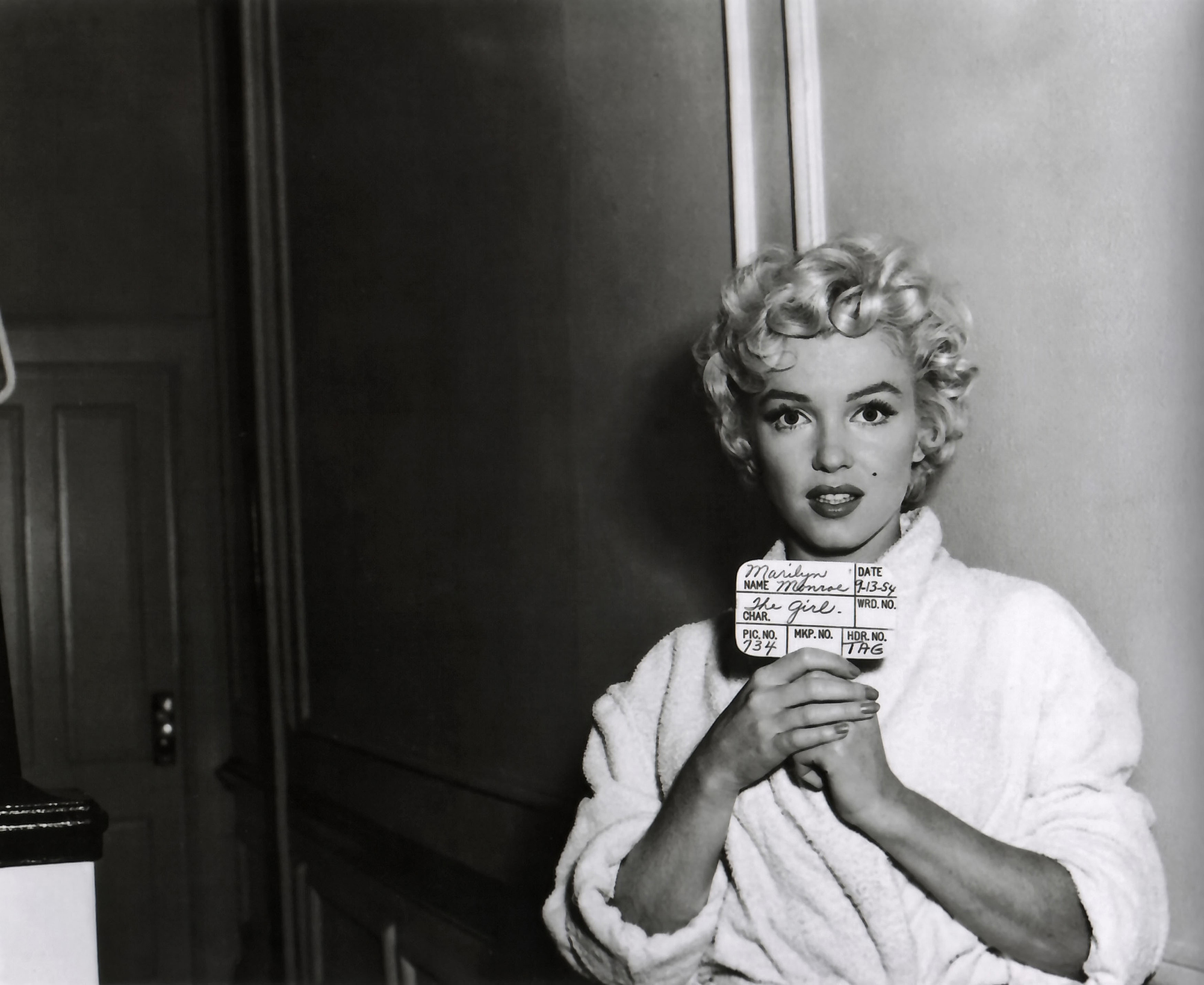
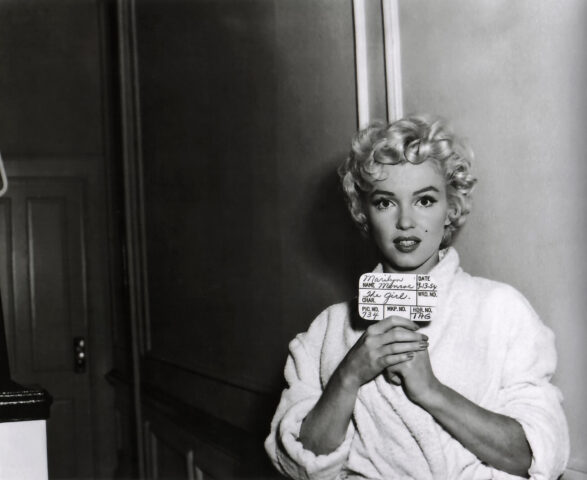
Marilyn Monroe. Courtesy Alamy/20th Century Studios
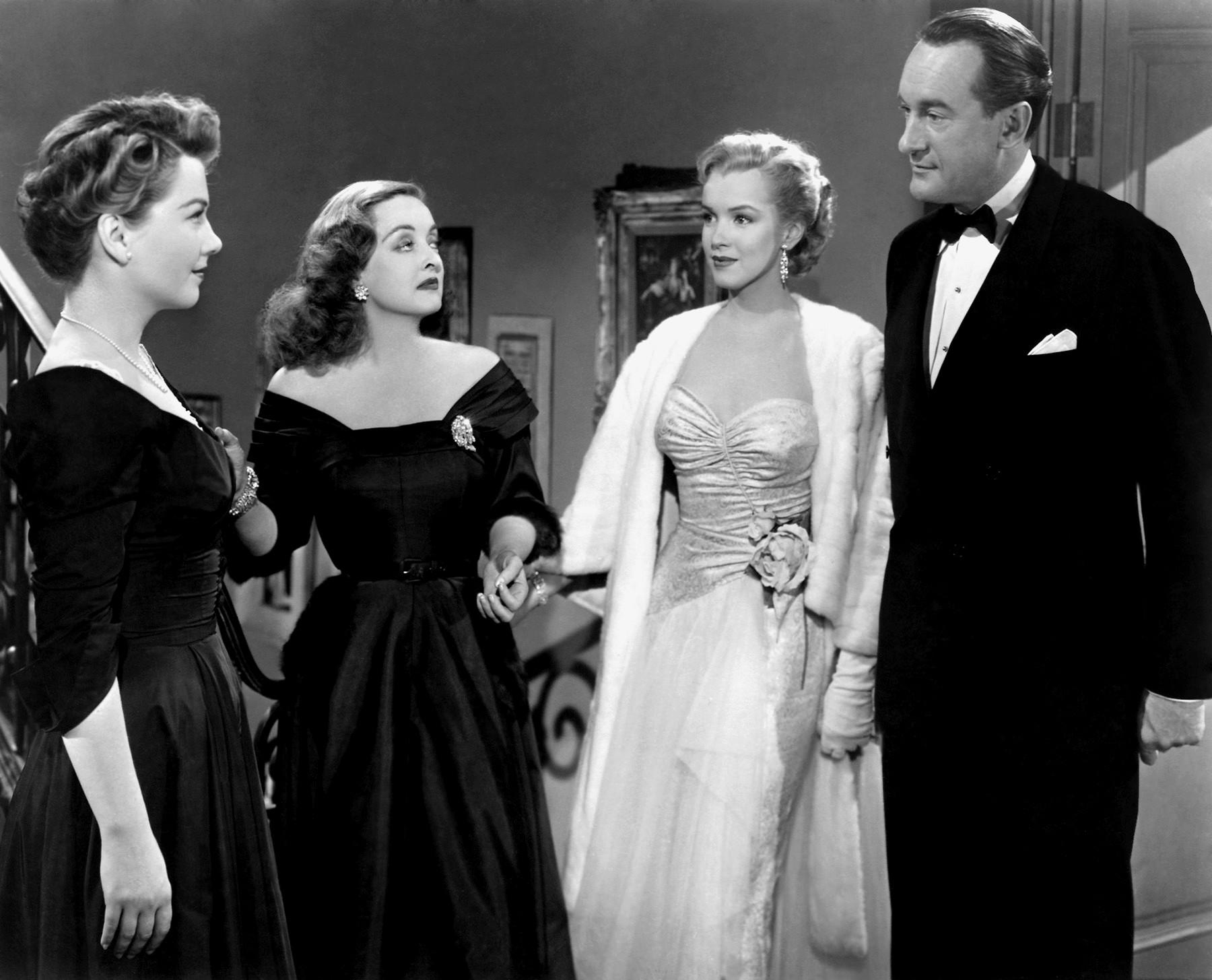
All About Eve. 1950. USA. Directed by Joseph L. Mankiewicz. Courtesy Alamy/20th Century Studios
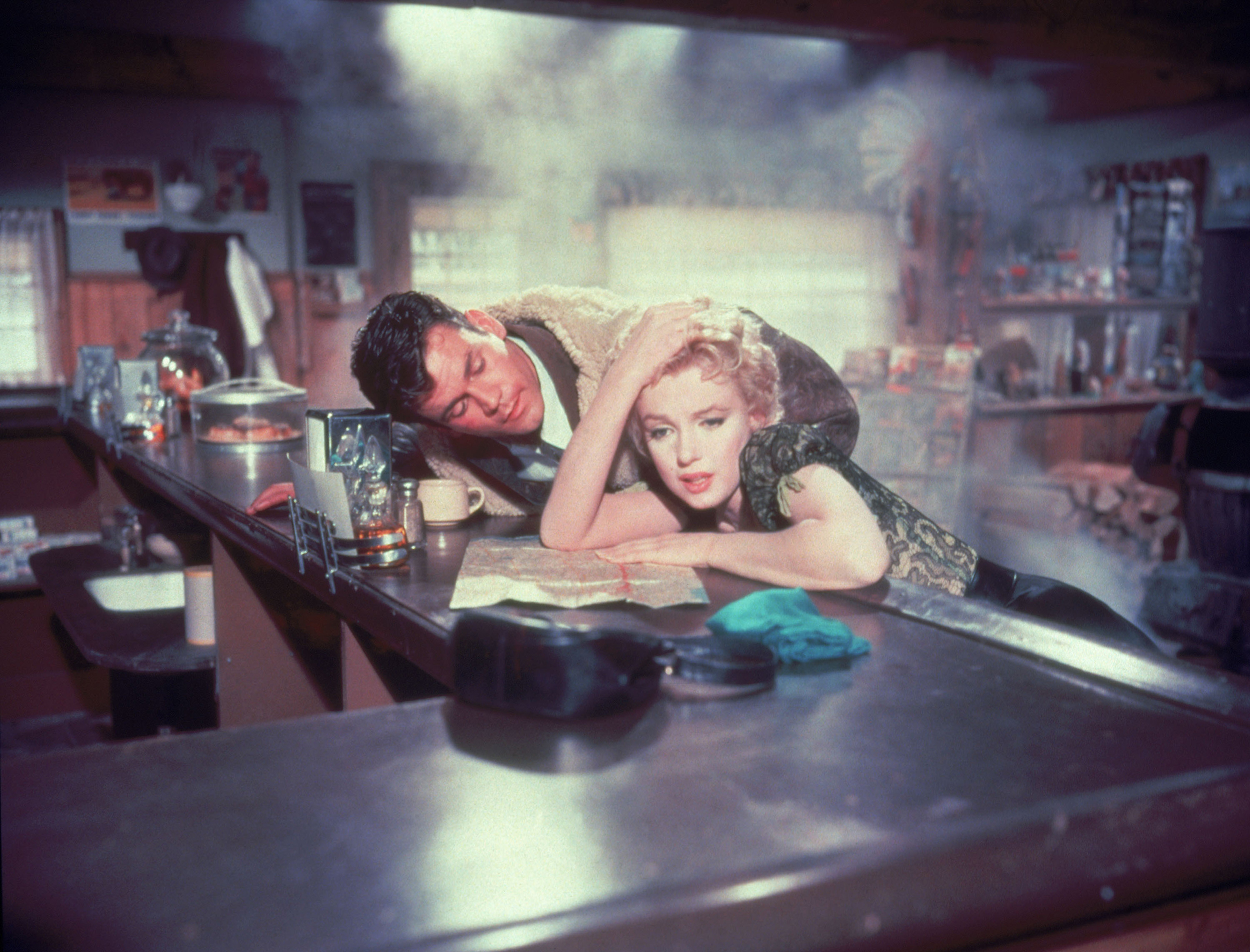
Bus Stop. 1956. USA. Directed by Joshua Logan. Courtesy Anuvu/Criterion Pictures
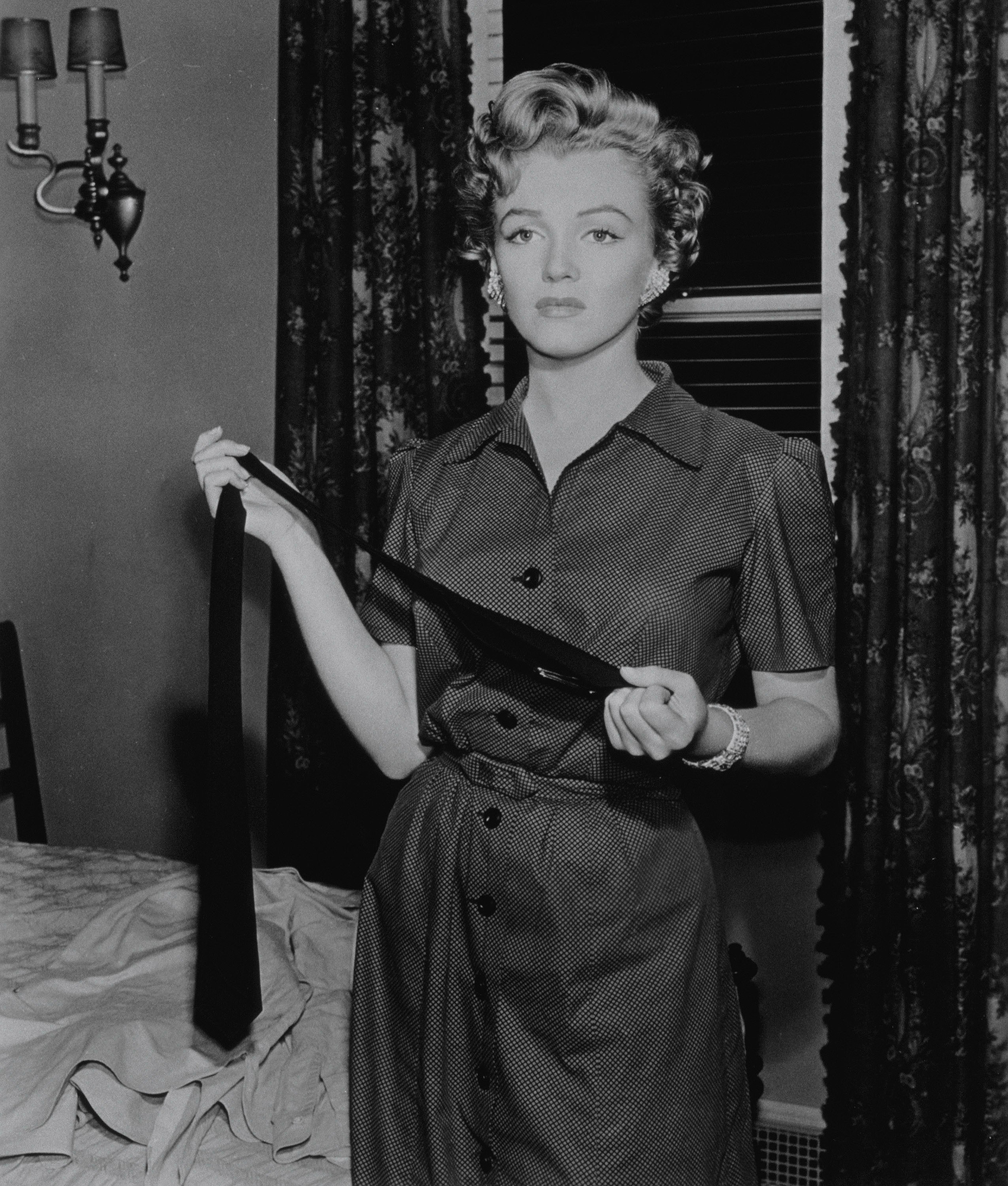
Don’t Bother to Knock. 1952. USA. Directed by Roy Ward Baker. Courtesy Anuvu/Criterion Pictures
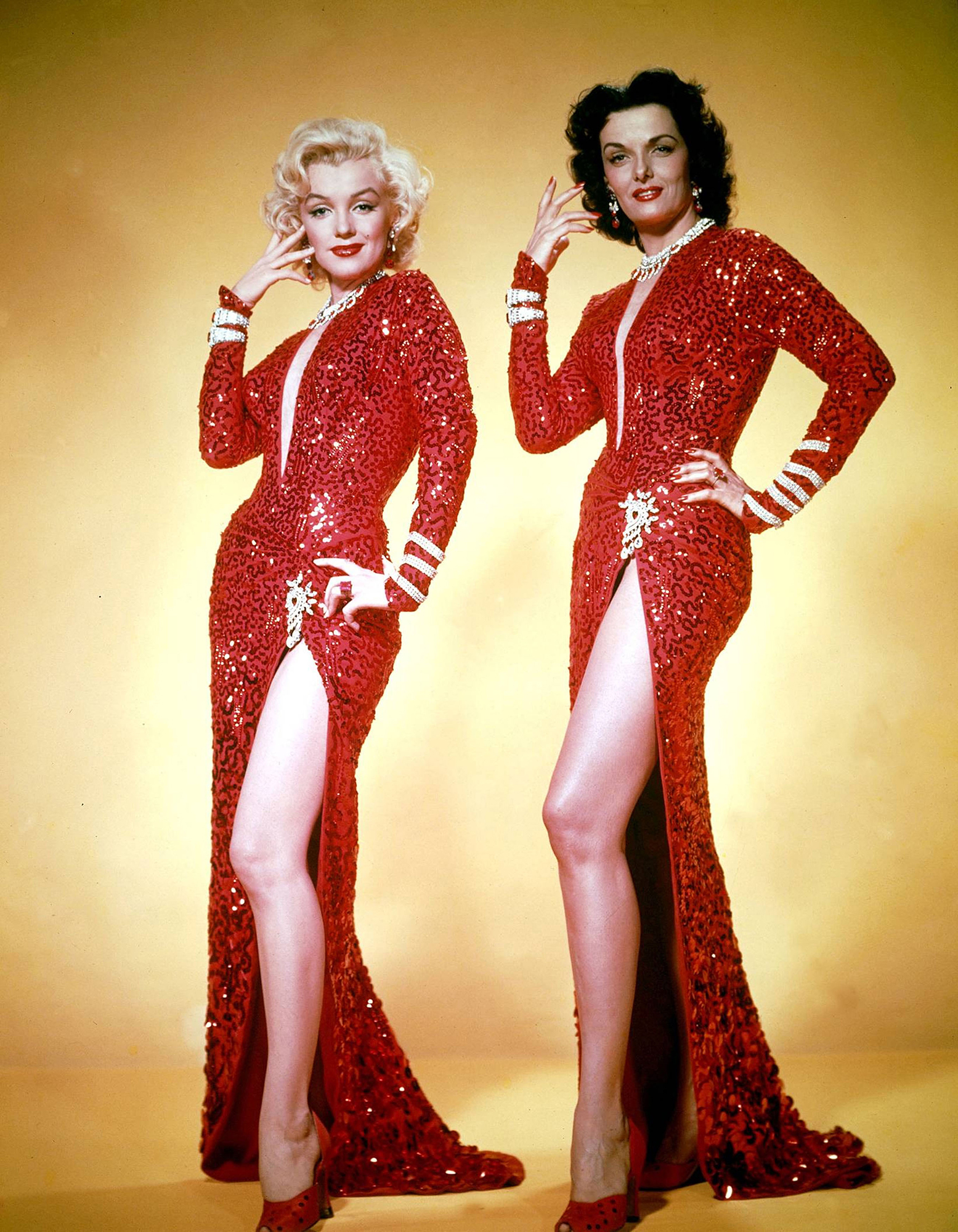
Gentlemen Prefer Blondes. 1953. USA. Directed by Howard Hawks. Courtesy Alamy/20th Century Studios
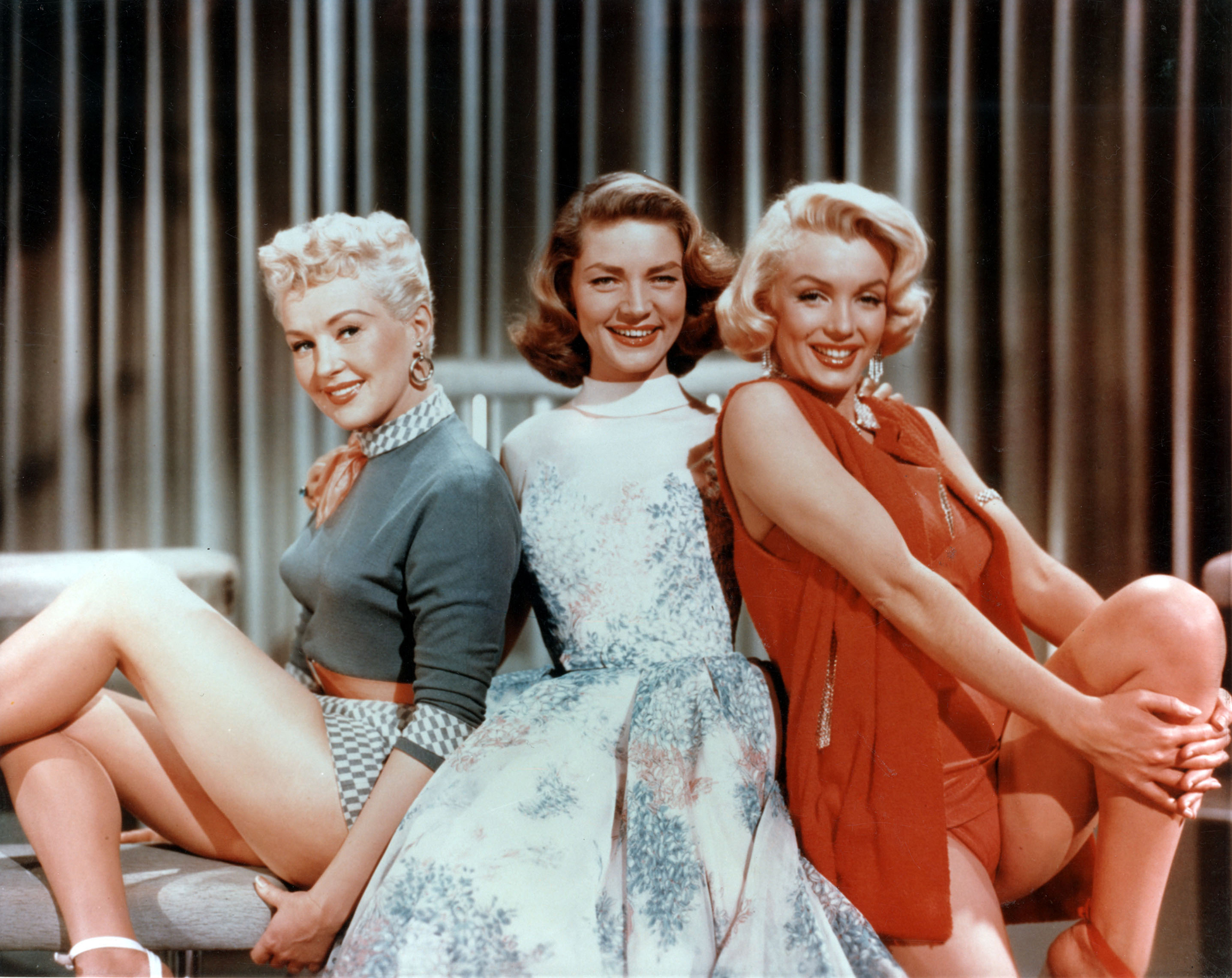
How to Marry a Millionaire. 1953. USA. Directed by Jean Negulesco. Courtesy Alamy/20th Century Studios
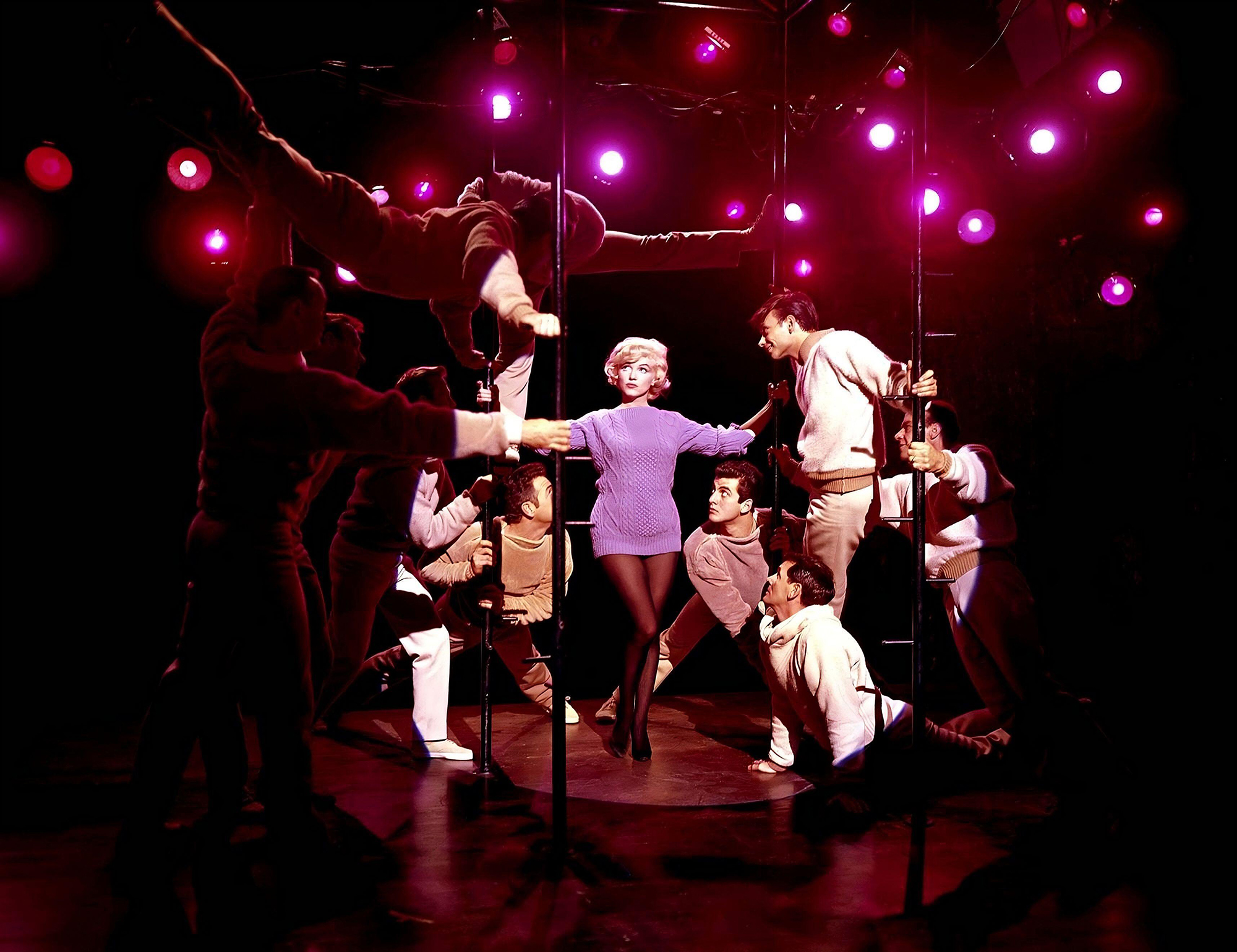
Let’s Make Love. 1960. USA. Directed by George Cukor. Courtesy Alamy/20th Century Studios
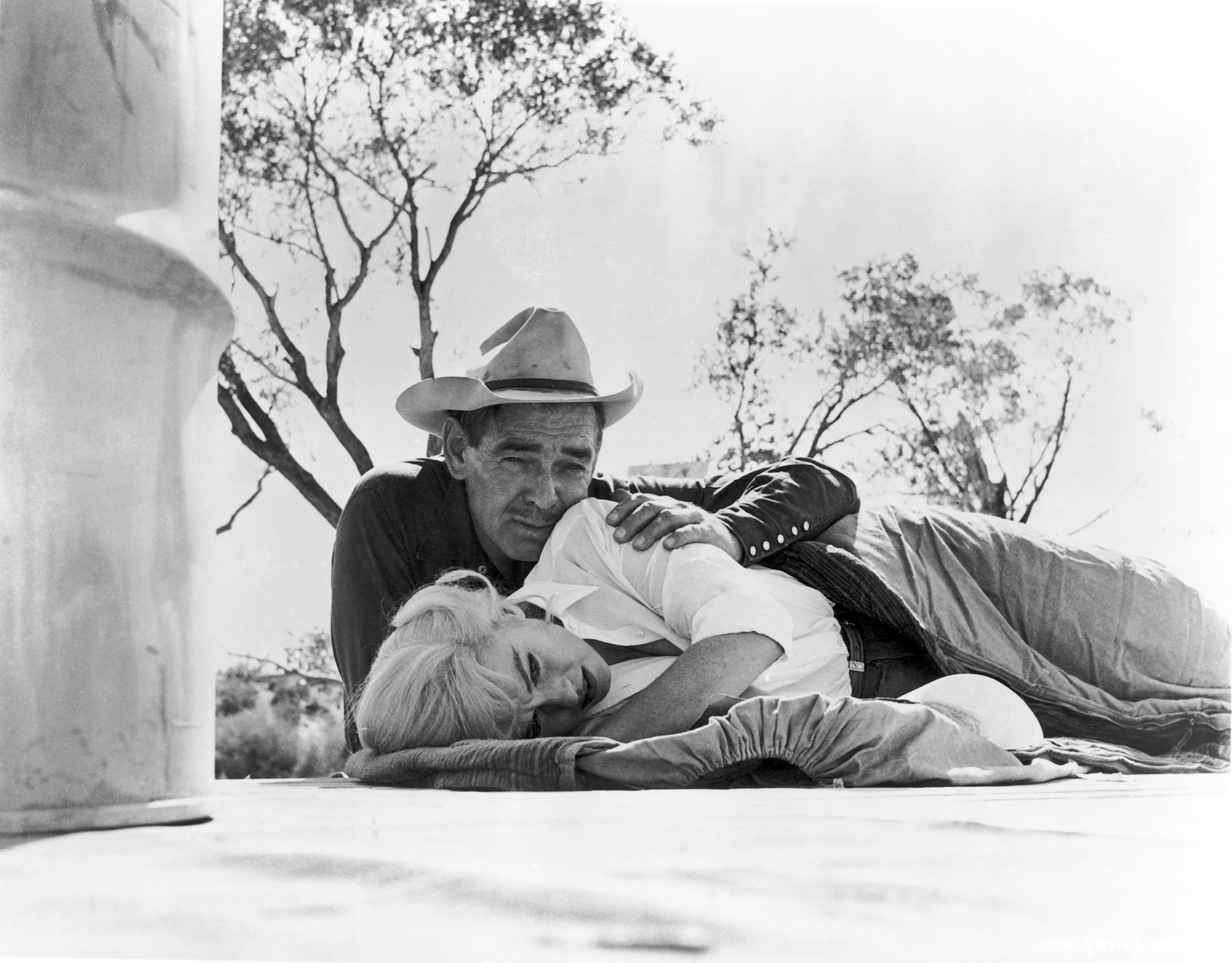
The Misfits. 1961. USA. Directed by John Huston. Courtesy Park Circus/Warner Brothers
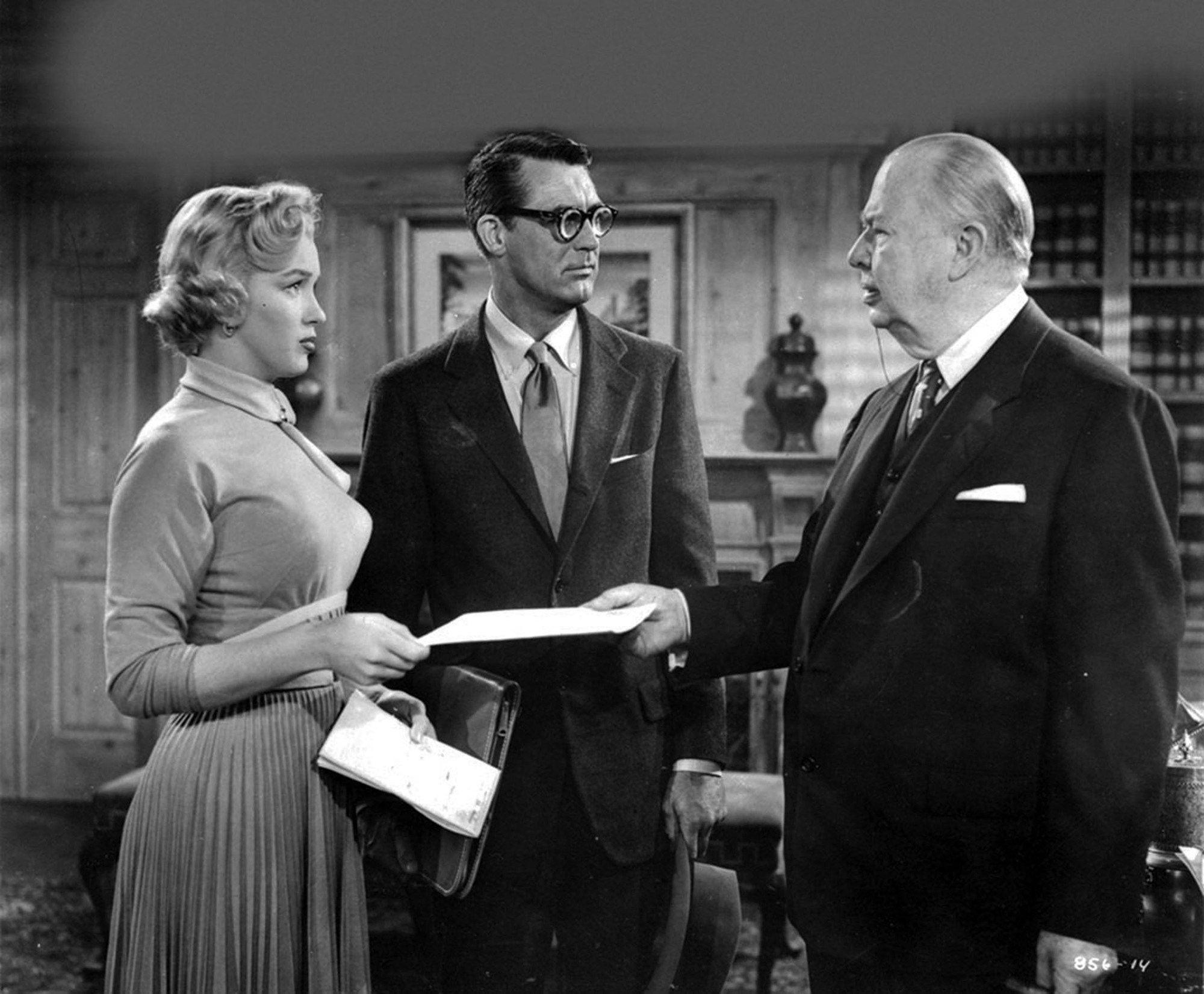
Monkey Business. 1952. USA. Directed by Howard Hawks. Courtesy Alamy/20th Century Studios
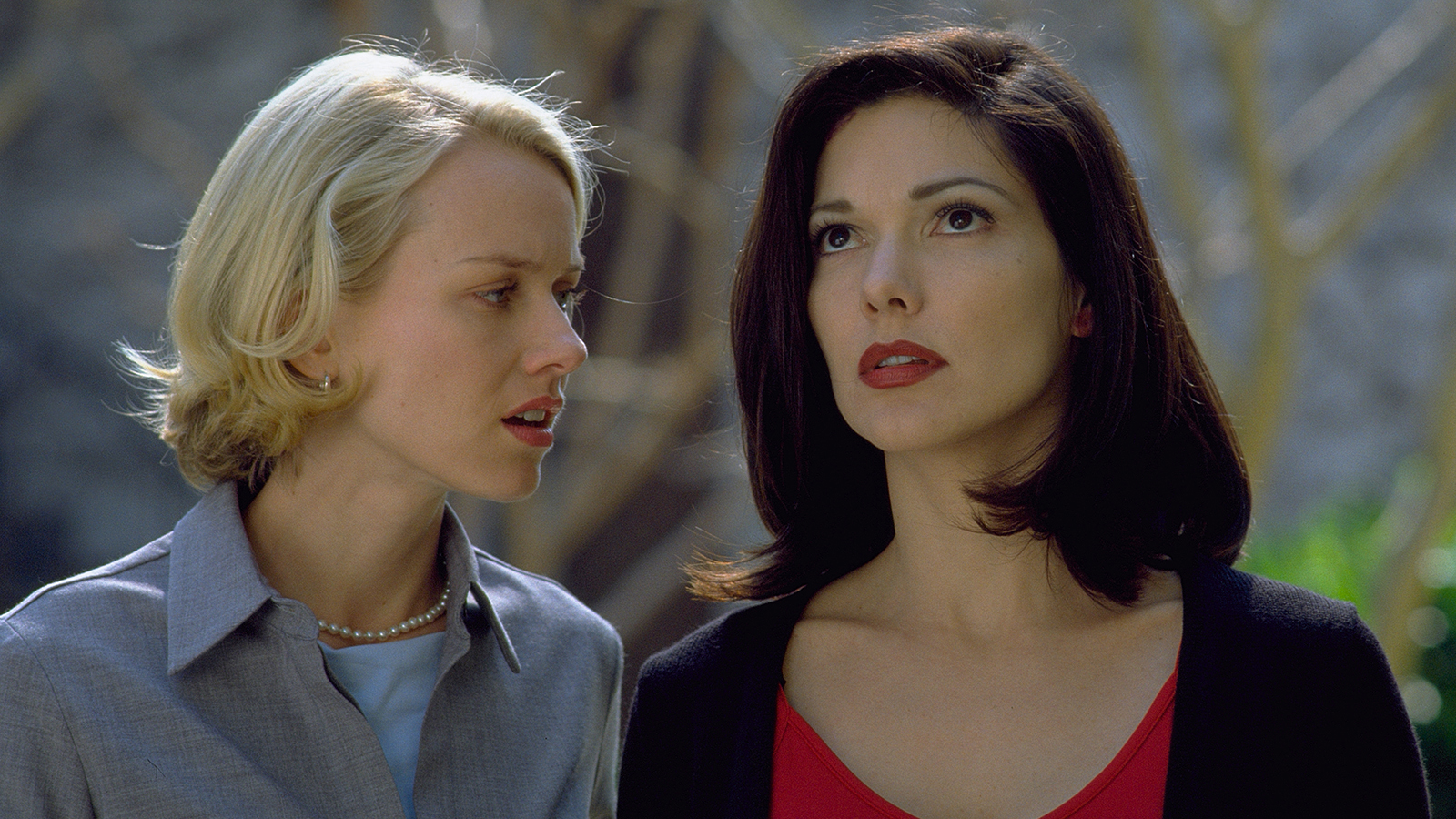
Mulholland Dr. 2001. USA/France. Directed by David Lynch. Courtesy Janus Films
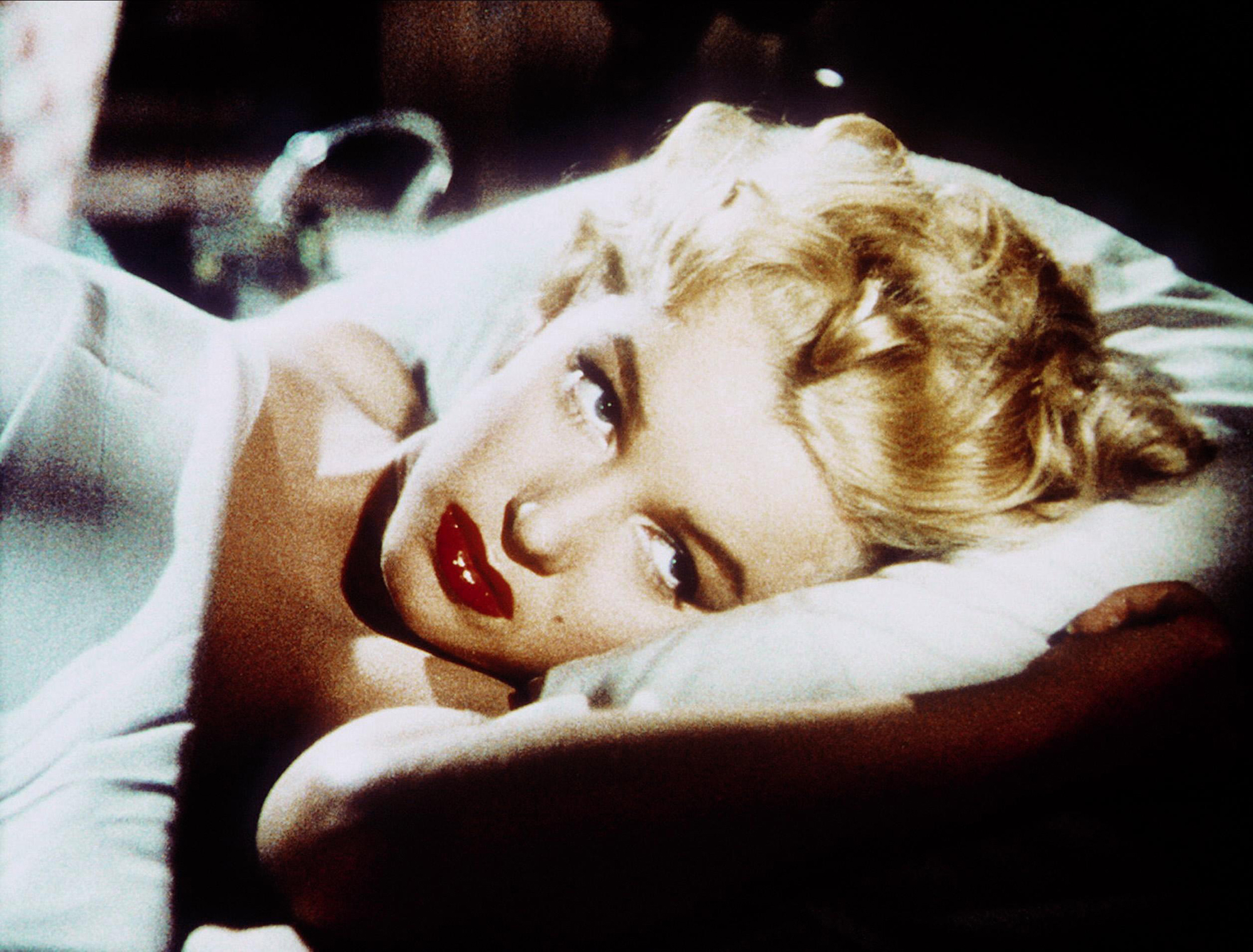
Niagara. 1952. USA. Directed by Henry Hathaway. Courtesy Alamy/20th Century Studios
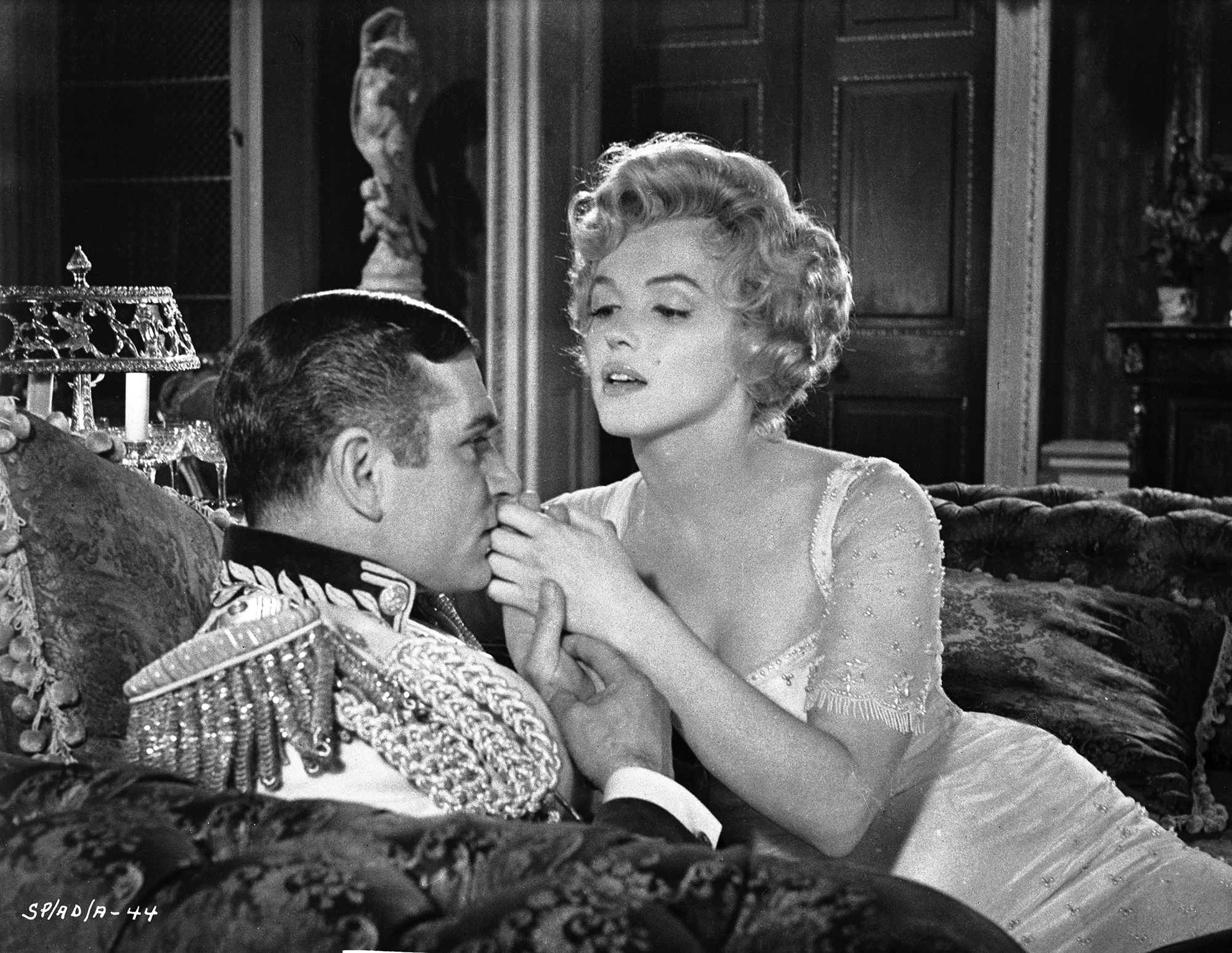
The Prince and the Showgirl. 1957. USA. Directed by Laurence Olivier. Courtesy Park Circus/Warner Brothers
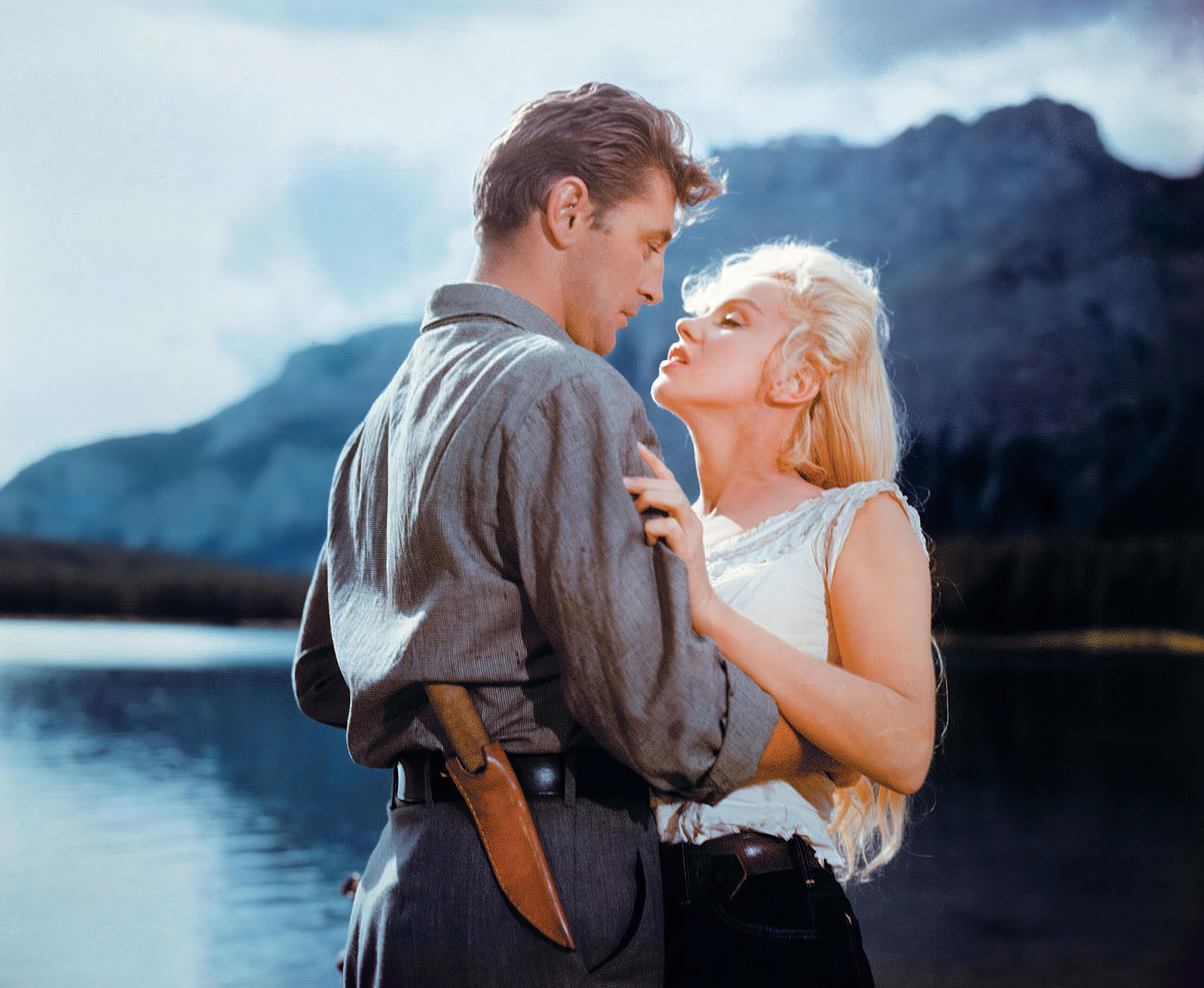
River of No Return. 1954. USA. Directed by Otto Preminger. Courtesy Alamy/20th Century Studios
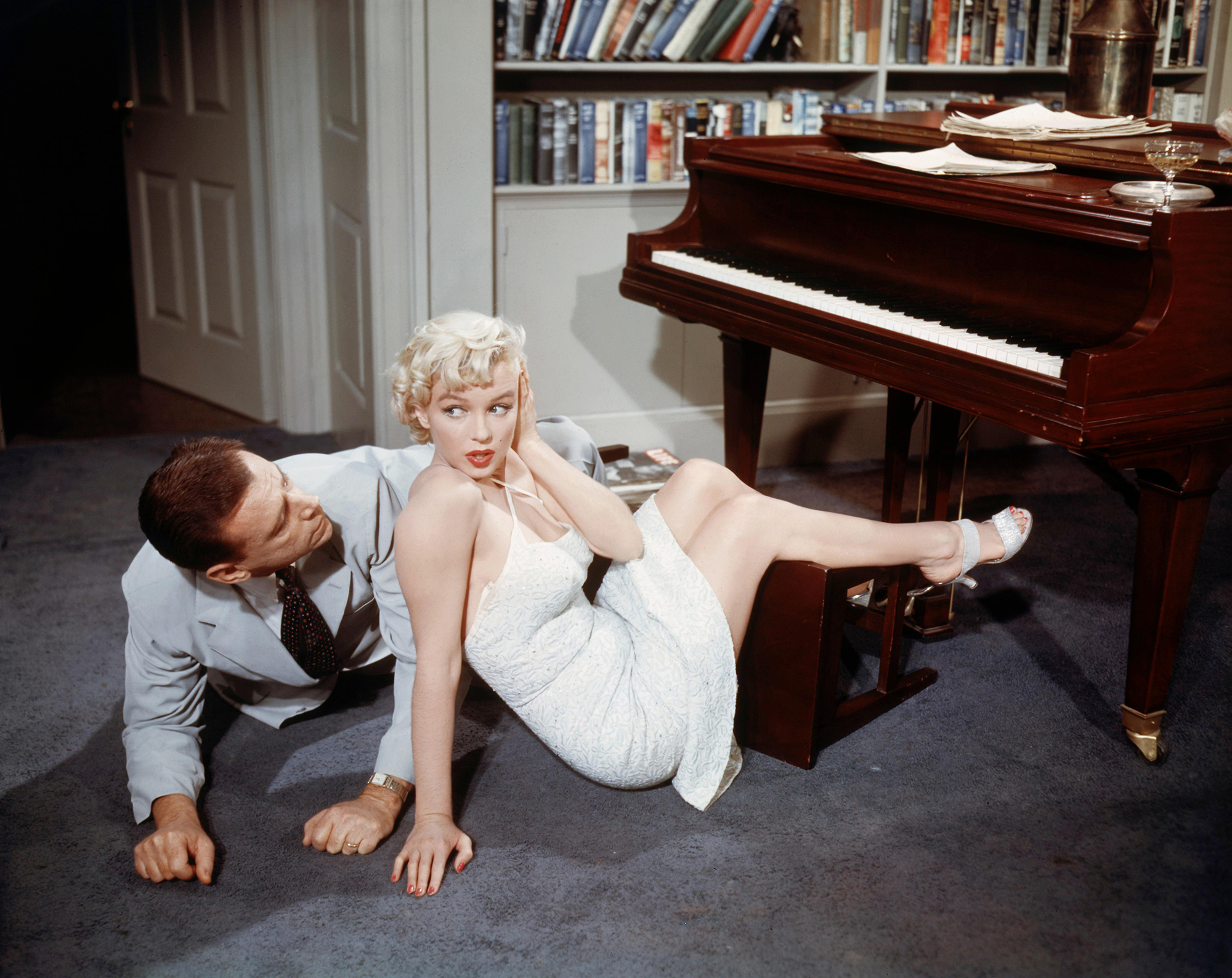
The Seven Year Itch. 1955. USA. Directed by Billy Wilder. Courtesy Alamy/20th Century Studios
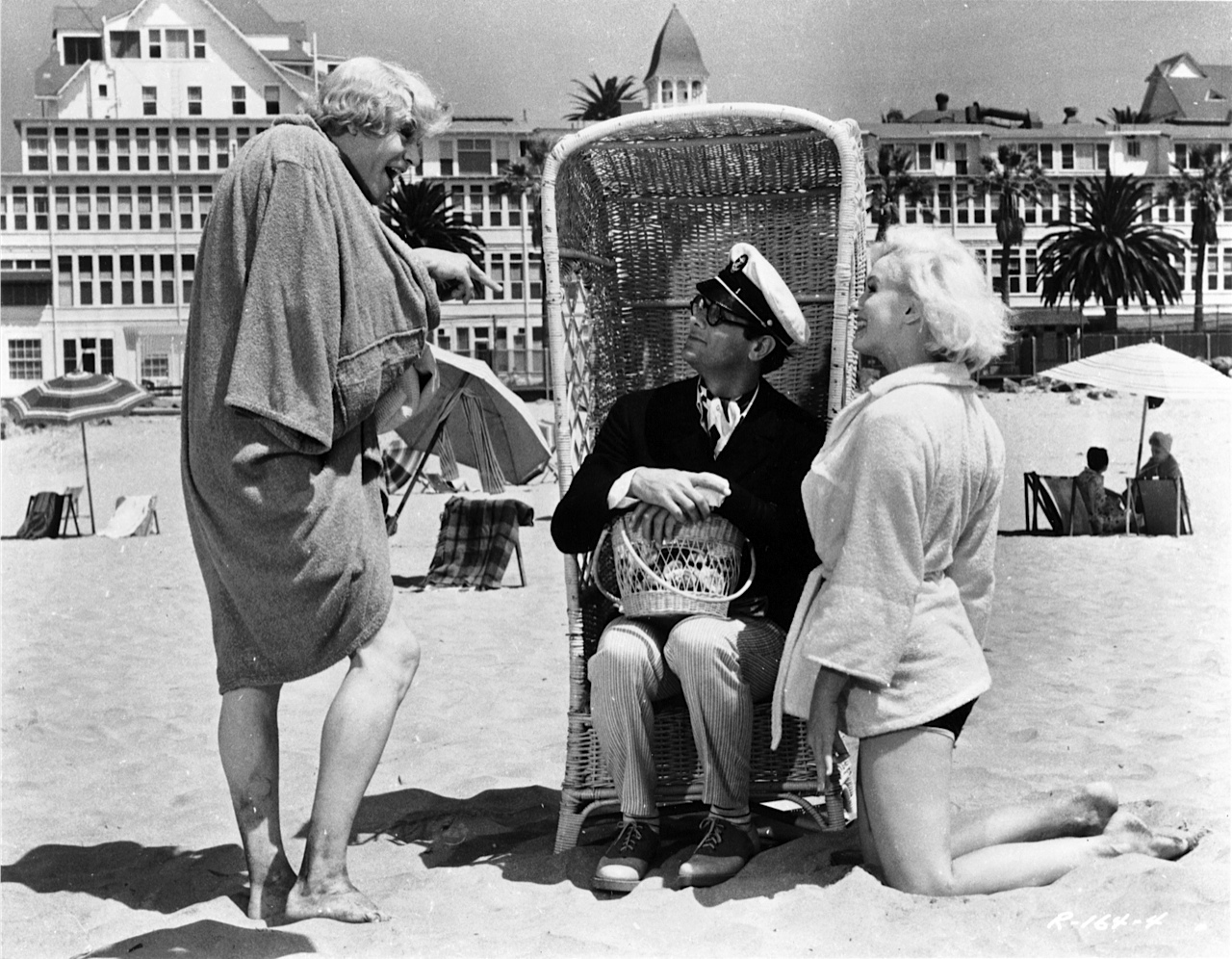
Some Like It Hot. 1959. USA. Directed by Billy Wilder. Courtesy Park Circus/Warner Brothers